Why a DIY Energy Audit Saves More Than You'd Expect
A professional energy audit costs $200-$500 and uses blower door tests and infrared cameras to find hidden leaks and insulation gaps. It's worth the money. But before you hire a pro — or even if you do — this 50-point DIY checklist will help you identify the obvious energy waste that accounts for the majority of your home's unnecessary energy consumption.
According to the Department of Energy, the average home wastes 25-30% of the energy it pays for through air leaks, inadequate insulation, and inefficient equipment. For a household spending $155/month on electricity, that's $40-$50/month literally going out the windows, under the doors, and through unsealed ducts. This checklist helps you find every one of those leaks.
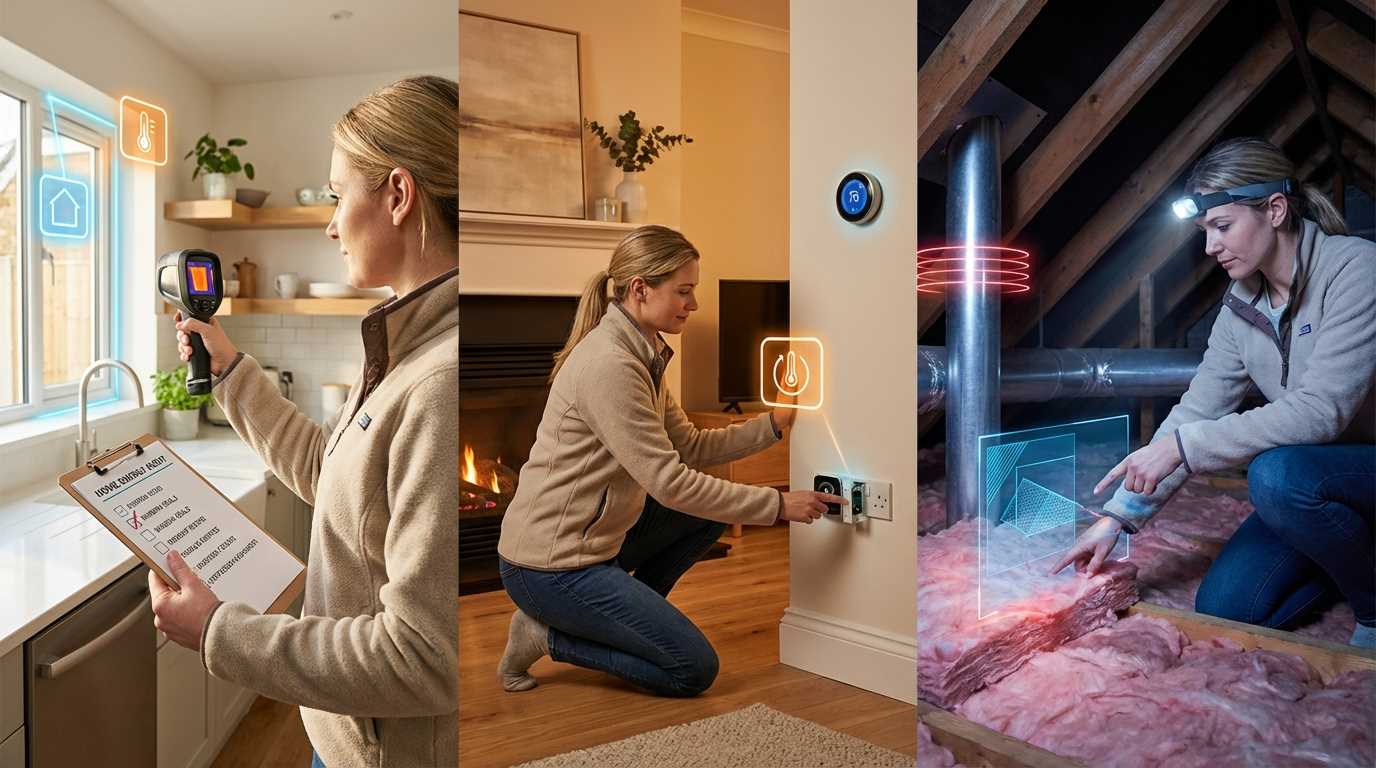
Grab a notebook, a flashlight, and a few hours. We're going room by room, system by system.
Exterior & Building Envelope
1. Check weatherstripping on all exterior doors. Close a dollar bill in the door. If it slides out easily, replace the weatherstripping. Cost: $10-$20 per door. Savings: $15-$30/year per door.
2. Inspect window seals and caulking. Look for cracked, peeling, or missing caulk around window frames. Re-caulk with silicone. Cost: $5-$10 per window. Savings: $5-$15/year per window.
3. Check for gaps around utility penetrations. Where pipes, wires, and cables enter your home, seal with expanding foam. Cost: $8-$15. Savings: $20-$40/year.
4. Inspect siding for cracks and gaps. Damaged siding lets moisture and air behind your wall sheathing. Cost: varies. Savings: prevents structural damage.
5. Check the foundation rim joist. Where your foundation meets the floor framing, seal with foam board and caulk. This is one of the biggest air leak areas in most homes. Cost: $100-$200. Savings: $50-$100/year.
6. Inspect garage door weather seal. If attached, your garage is a major source of air infiltration. Cost: $20-$40. Savings: $20-$40/year.
7. Check dryer vent and exhaust fan dampers. Ensure the flapper opens when running and closes tightly when off. Cost: $10-$30 for replacement damper. Savings: $15-$30/year.
8. Inspect exterior electrical outlets. Install foam gaskets behind outlet plates on exterior walls. Cost: $1-$2 per outlet. Savings: $5-$10/year.
9. Check window AC units and wall sleeves. Remove in winter; if permanent, seal gaps with foam tape. Cost: $5-$15. Savings: $20-$50/year.
10. Evaluate exterior shade and landscaping. Deciduous trees on the south side block summer sun but allow winter warmth. Cost: long-term investment. Savings: 5-10% on cooling.
Attic & Insulation
11. Measure attic insulation depth. Should be 14-18 inches (R-38 to R-60). If you can see your floor joists, you need more. Cost: $500-$1,500. Savings: $100-$250/year.
12. Check for compressed insulation. Stepped-on or compressed insulation loses its R-value. Fluff or replace. Cost: $50-$150. Savings: $30-$60/year.
13. Seal attic penetrations. Around plumbing stacks, chimney chases, and wire penetrations. Use high-temperature caulk near chimneys. Cost: $20-$50. Savings: $40-$80/year.
14. Check attic hatch insulation. The attic access door is often uninsulated. Add rigid foam board. Cost: $15-$30. Savings: $20-$40/year.
15. Inspect for roof leaks and water stains. Wet insulation is worthless. Fix leaks before adding insulation. Cost: varies. Savings: prevents insulation replacement costs.
16. Check soffit vents for blockage. Blocked soffits prevent proper attic ventilation, causing ice dams in winter and excess heat in summer. Cost: $0 (clear debris). Savings: prevents ice dam damage.
17. Verify attic fan is working (if equipped). A thermostat-controlled attic fan reduces summer heat load. Cost: $100-$300 for new unit. Savings: 5-10% on cooling.
18. Check recessed lighting in ceiling below attic. Non-IC-rated recessed lights leak air into the attic. Seal with airtight covers. Cost: $15-$25 per light. Savings: $10-$20/year per light.
HVAC System
19. Replace or clean HVAC air filter. Dirty filters reduce airflow and efficiency by 5-15%. Replace every 1-3 months. Cost: $10-$20 per filter. Savings: $50-$100/year.
20. Check thermostat calibration and placement. A thermostat near a heat source or in direct sunlight reads wrong. Move or recalibrate. Cost: $0-$20. Savings: $20-$50/year.
21. Upgrade to a programmable or smart thermostat. The ENERGY STAR estimates 8% savings on heating and 10% on cooling. Cost: $150-$250. Savings: $130-$180/year. For a deeper dive into smart device savings, see my smart home energy savings guide.
22. Inspect visible ductwork in basement/crawlspace. Leaky ducts lose 20-30% of conditioned air. Seal with mastic tape. Cost: $30-$80 for mastic. Savings: $100-$300/year.
23. Check register and vent airflow. Every register should have strong, even airflow. Weak airflow indicates duct blockage or leak. Cost: $0 for inspection. Savings: identifies $100-$300/year duct losses.
24. Ensure registers aren't blocked by furniture. It sounds obvious, but it's the #1 airflow complaint I hear. Cost: $0. Savings: 5-10% on HVAC efficiency.
25. Check condensate drain line (AC/heat pump). A clogged drain causes the unit to shut off. Clear annually. Cost: $0. Savings: prevents $200-$500 service calls.
26. Inspect outdoor AC unit for debris. Clear leaves, grass, and dirt from the condenser fins. Cost: $0. Savings: 5% on cooling efficiency.
27. Schedule annual professional HVAC tune-up. A technician checks refrigerant levels, electrical connections, and heat exchanger. Cost: $100-$200/year. Savings: $50-$150/year in efficiency + prevents costly breakdowns.
28. Check ceiling fan direction. Counterclockwise in summer, clockwise (low) in winter. Cost: $0. Savings: 4-8% on HVAC costs.
Kitchen
29. Check refrigerator door seal. Close a dollar bill in the door. If it pulls out easily, replace the gasket. Cost: $30-$80 for gasket. Savings: $20-$50/year.
30. Clean refrigerator condenser coils. Dusty coils make the compressor work 25% harder. Vacuum twice yearly. Cost: $0. Savings: $15-$30/year.
31. Set refrigerator to 37-40°F, freezer to 0-5°F. Colder settings waste energy without preserving food better. Cost: $0. Savings: $10-$20/year.
32. Replace old refrigerator if 15+ years old. An ENERGY STAR fridge uses 350 kWh/year vs. 700-900 for a 15-year-old model. Cost: $600-$1,500. Savings: $60-$90/year.
33. Check dishwasher for energy-saver (air-dry) setting. Use it instead of heat-dry. Cost: $0. Savings: $15-$30/year.
34. Use microwave or toaster oven for small meals. They use 50-75% less energy than a full-size oven. Cost: $50-$150 for appliance. Savings: $30-$60/year.
35. Check range hood vent damper. When off, the damper should close completely to prevent conditioned air escaping. Cost: $10-$30. Savings: $15-$30/year.
Laundry & Water Heating
36. Set water heater to 120°F. Most manufacturers set them to 140°F. Every 10°F reduction saves 3-5%. Cost: $0. Savings: $30-$60/year.
37. Insulate hot water pipes and water heater tank. Pipe insulation costs $1-$2 per foot and reduces heat loss in transit. Cost: $20-$40. Savings: $20-$45/year.
38. Check water heater age and efficiency. Tanks over 10 years old lose 20-30% efficiency. Consider a tankless upgrade. Cost: $800-$2,000 for tankless. Savings: $70-$150/year.
39. Clean dryer lint trap and vent hose. A clogged vent doubles drying time. Clean the full vent line annually. Cost: $0-$20 for brush kit. Savings: $30-$60/year.
40. Wash clothes in cold water. 90% of washing machine energy goes to heating water. Modern detergents work fine in cold. Cost: $0. Savings: $30-$60/year.
41. Air-dry clothes when possible. A clothesline or drying rack eliminates dryer use entirely. Cost: $10-$30. Savings: $60-$120/year.
42. Install low-flow showerheads (1.5 GPM or less). Reduces hot water use by 25-40%. Cost: $15-$30 each. Savings: $25-$50/year per showerhead.
Living Areas & Lighting
43. Replace all remaining incandescent bulbs with LEDs. An LED uses 75% less energy and lasts 25x longer. Cost: $2-$5 per bulb. Savings: $5-$10/year per bulb. See my full LED vs traditional bulb comparison for exact numbers.
44. Install motion sensors or timers in low-use rooms. Bathrooms, closets, and garages. Cost: $10-$20 per sensor. Savings: $10-$20/year.
45. Check for daylight gaps around doors and windows. If you can see light, air is getting through. Cost: $5-$15 for weatherstripping. Savings: $15-$30/year.
46. Use thermal curtains on south-facing windows in summer. Reduces solar heat gain by up to 33%. Cost: $20-$50 per curtain. Savings: $20-$50/year on cooling.
47. Close fireplace damper when not in use. An open damper is equivalent to leaving a window open. Cost: $0-$50 for damper replacement. Savings: $30-$60/year.
Electronics & Phantom Loads
48. Audit standby power draws with a Kill-A-Watt meter. Plug each device into the meter to see its standby consumption. Cost: $25 for meter. Savings: identifies $50-$150/year in phantom loads.
49. Install smart power strips on entertainment centers. Cuts power to all components when the TV is off. Cost: $25-$40 per strip. Savings: $40-$80/year per strip.
50. Unplug unused chargers and adapters. A phone charger left plugged in draws 0.26 watts — small individually, but you likely have 10-15 of these. Cost: $0. Savings: $10-$25/year.
💡 The Bottom Line
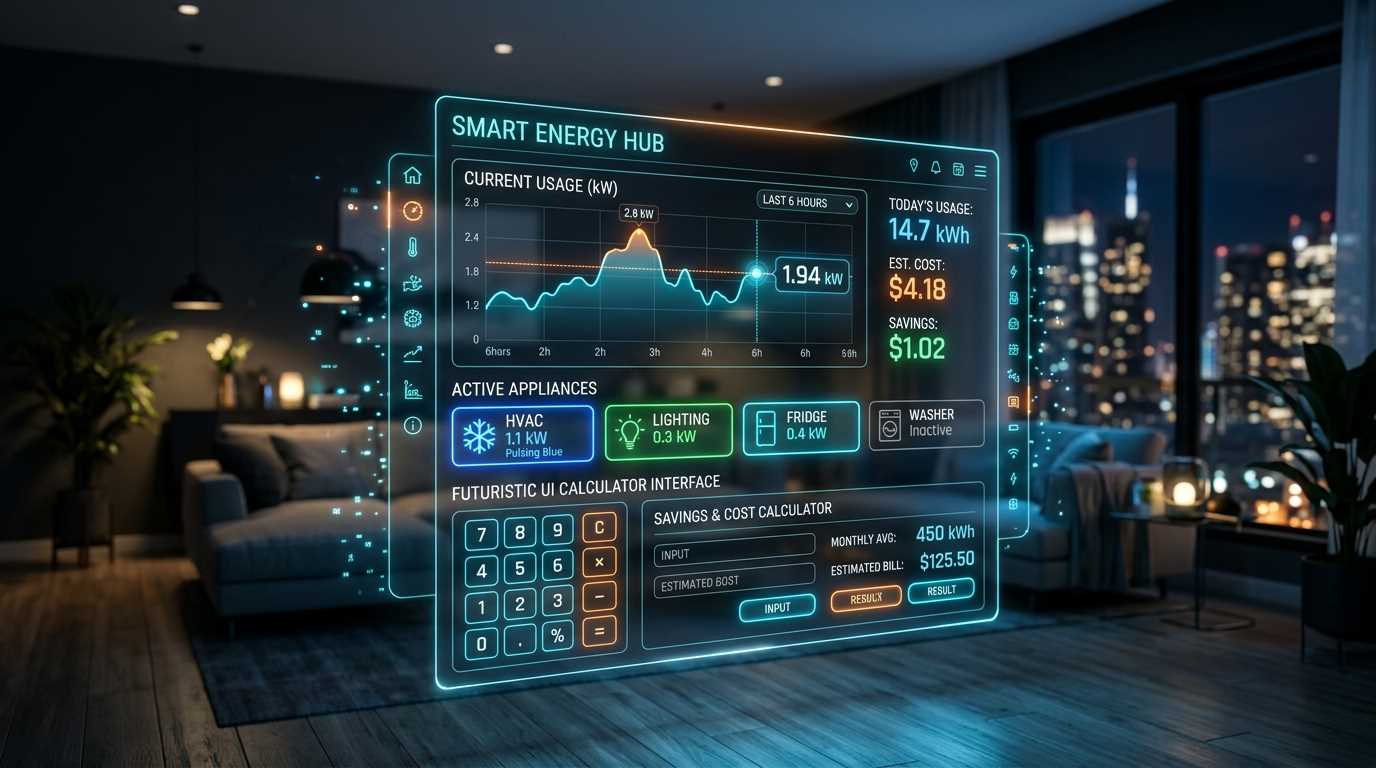
If you complete all 50 items on this checklist, you'll likely find $300-$800 per year in savings opportunities. The total investment for all DIY fixes (excluding major upgrades like insulation or HVAC replacement) is typically $200-$500 — meaning most items pay for themselves within the first year. Use our Home Energy Calculator to establish your baseline, then re-test after completing your fixes to measure the improvement.