Why Level 2 Home Charging Is the Right Choice for Most EV Owners
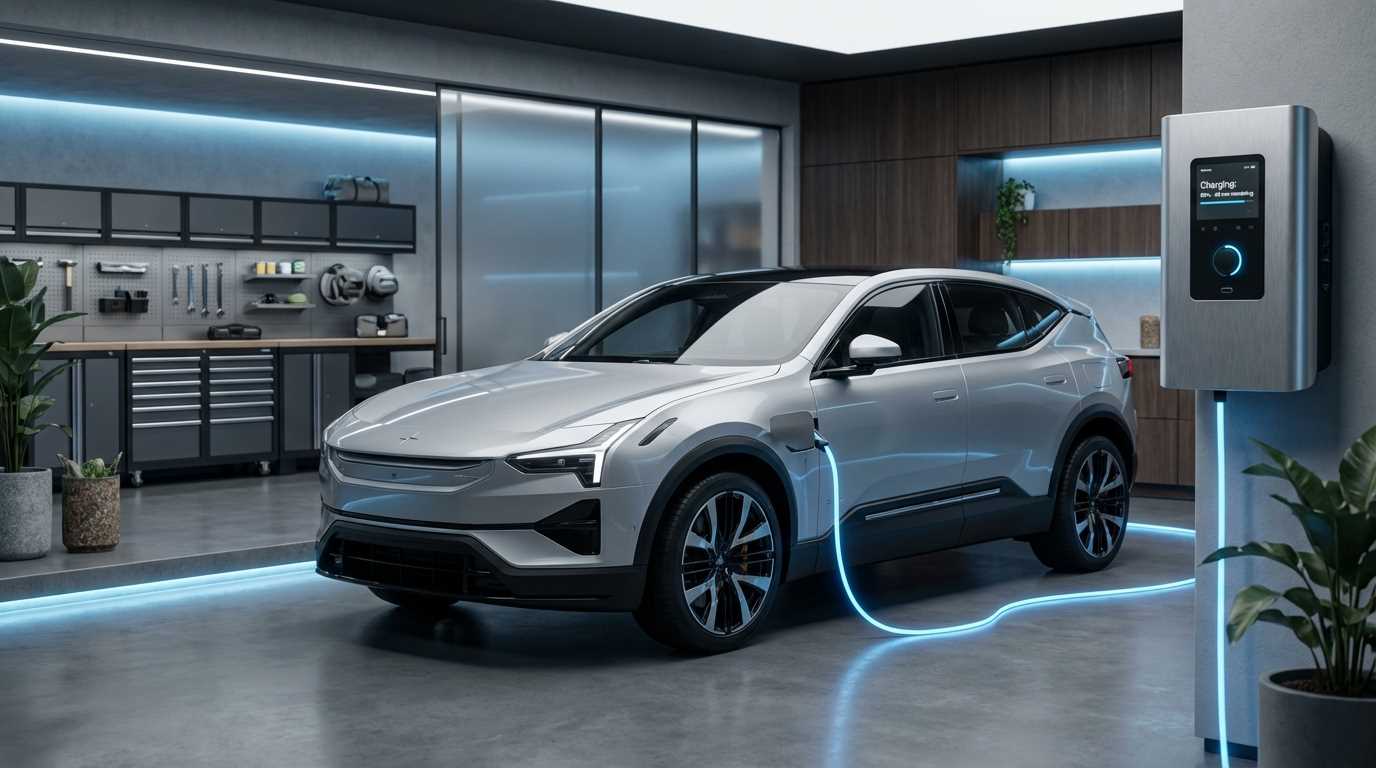
When you buy an electric vehicle, the first decision you'll make is how to charge it at home. You have two options: Level 1 (120V household outlet) and Level 2 (240V dedicated circuit). Level 1 adds 3-5 miles of range per hour — fine for light commuters but frustrating for anyone driving more than 40 miles per day. Level 2 adds 25-40 miles per hour, fully charging most EVs overnight.
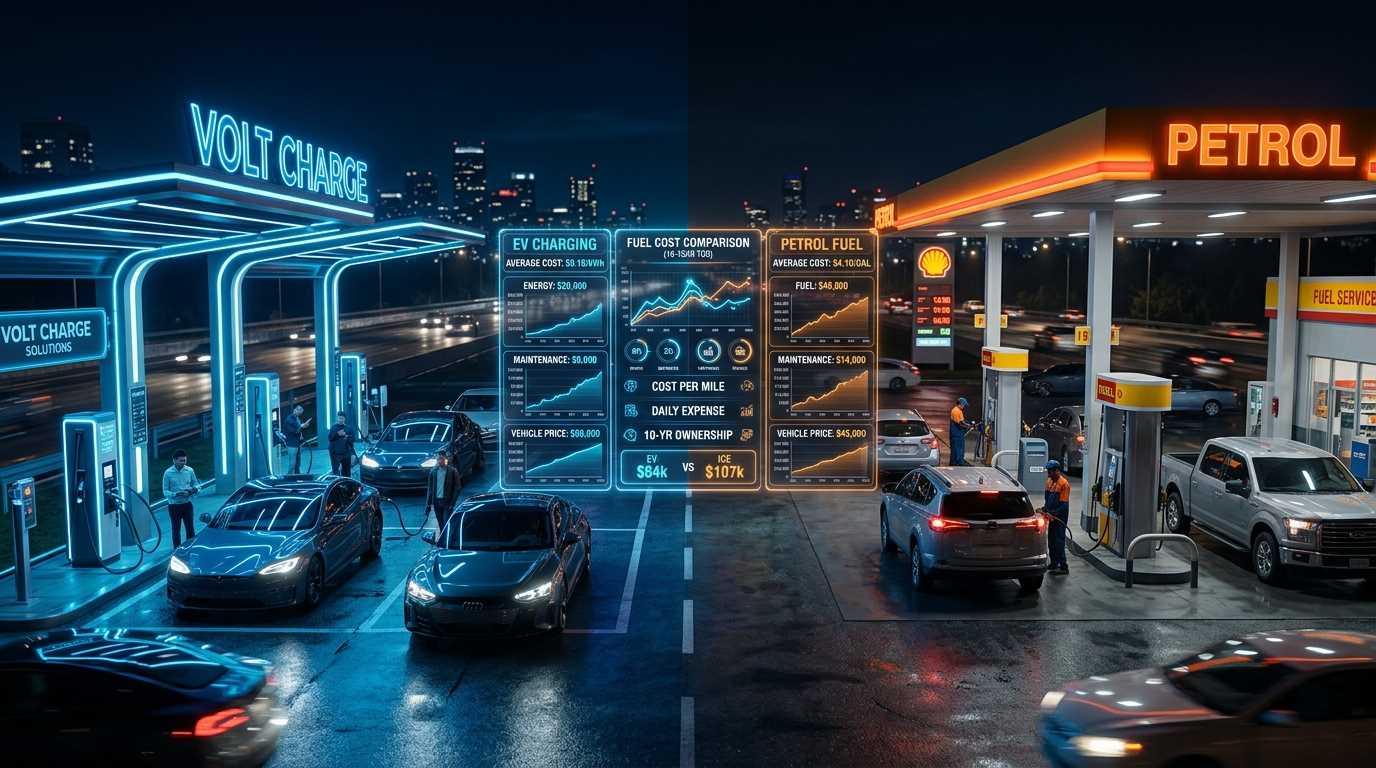
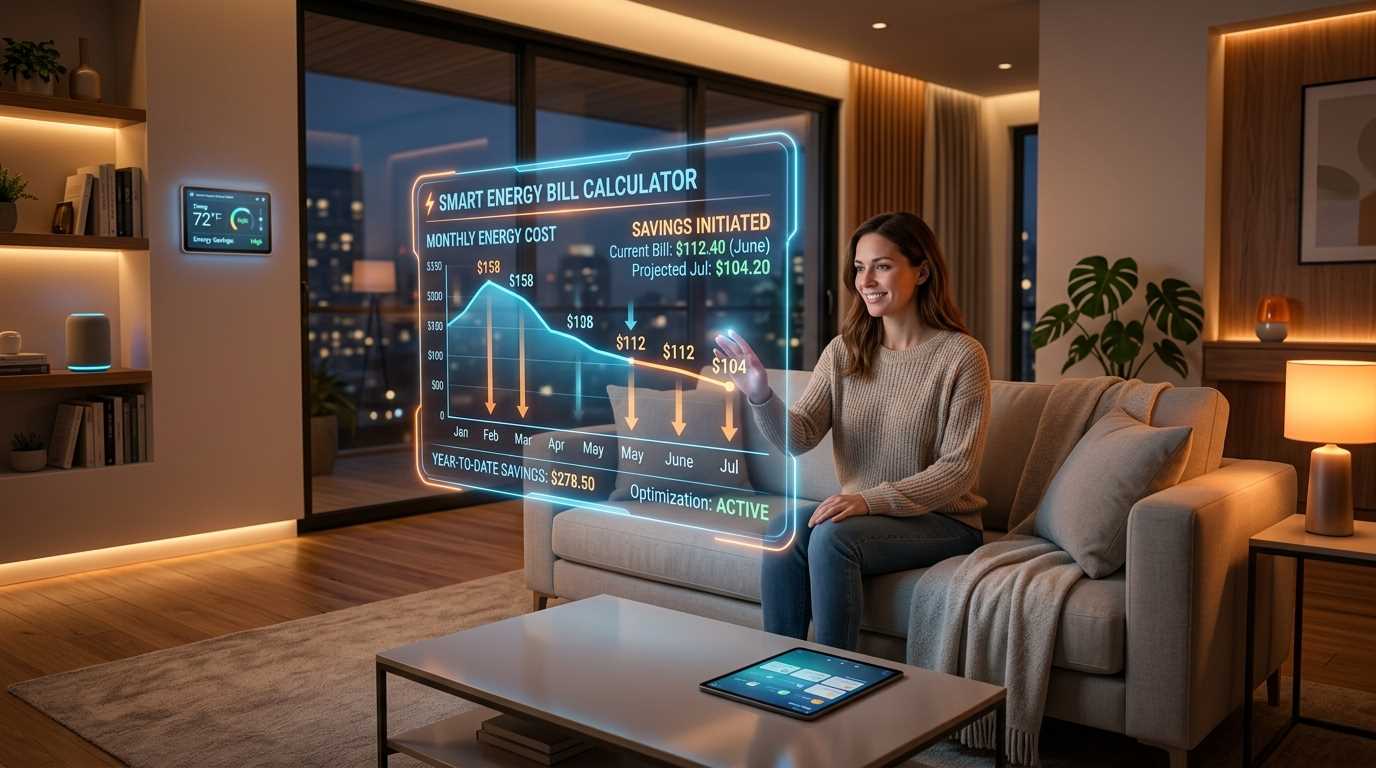
According to the Department of Energy, 87% of EV charging happens at home. The vast majority of those owners use Level 2. The upfront investment — typically $800-$2,500 — pays for itself within 1-3 years through the convenience, speed, and ability to take advantage of off-peak electricity rates. You can estimate your ongoing charging costs with our EV charging cost calculator.
Equipment Costs: What You'll Need to Buy
A Level 2 home charging station (also called EVSE — Electric Vehicle Supply Equipment) costs between $300 and $800 depending on features. Here's the breakdown:
- Basic 40A charger (no WiFi): $300-$450. Examples: ChargePoint Home Flex (non-connected), Grizzl-E Classic.
- Smart 40A charger with WiFi: $500-$700. Examples: ChargePoint Home Flex (connected), Tesla Wall Connector, Emporia Vue Smart Charger.
- High-power 48A charger: $600-$800. For EVs that support 48A charging (Ford F-150 Lightning, Lucid Air). Tesla Wall Connector delivers 48A at $475.
You'll also need a 240V outlet (NEMA 14-50 or 6-50) if you're installing a plug-in charger, or a hardwired connection for direct-wired units. The outlet costs $15-$30 for the receptacle itself. Hardwired setups save the outlet cost but are less flexible if you move or upgrade your charger.
Electrical Work: The Biggest Variable in Your Project Cost
This is where costs vary most. A Level 2 charger requires a dedicated 240V circuit, typically 40-50 amps. Whether your electrical panel can handle this depends on its current capacity and existing load.
Scenario 1: Panel has spare capacity. Your 200-amp panel has unused breaker slots and sufficient load capacity. An electrician runs a new 240V circuit from the panel to your charger location. Cost: $500-$1,200 for wire, conduit, and breaker, depending on the distance (25-100 feet).
Scenario 2: Panel is near capacity but upgradeable. Your 100-amp panel needs a sub-panel or service upgrade to handle the additional 40-amp circuit. Cost: $1,500-$3,000 for the upgrade plus $500-$1,200 for the charger circuit.
Scenario 3: Panel upgrade required. Older homes with 60-amp or 100-amp panels that need a full 200-amp service upgrade. Cost: $2,000-$4,500 for the panel upgrade plus the charger circuit.
The NREL's Alternative Fuel Data Center reports that the average Level 2 home charger installation costs $1,200-$1,800 for equipment and labor combined — but this assumes adequate panel capacity. Homes needing panel upgrades average $2,500-$4,000 total. Before you commit, check my EV charging cost breakdown to see how home charging compares to public options.
Installation Labor Costs
Electrician labor rates vary widely by region. Expect $75-$150/hour in most markets, with coastal cities reaching $150-$250/hour. A typical Level 2 installation takes 3-6 hours of labor:
- Simple install (panel near charger location, clear path): 2-3 hours = $150-$450 labor.
- Moderate install (wire through attic/crawlspace, 50+ feet): 4-5 hours = $300-$750 labor.
- Complex install (trenching, wall penetration, long runs): 6-8 hours = $450-$1,200 labor.
Get at least 3 quotes from licensed electricians. Many offer free estimates for EV charger installations, and some specialize in EV installations with pre-priced packages.
Permits and Inspections
Most jurisdictions require an electrical permit for Level 2 charger installation. Permit costs range from $50 to $200 depending on your city or county. The permit triggers an inspection after installation to ensure the work meets the National Electrical Code (NEC) Article 625 requirements for EV charging equipment.
Skipping the permit is tempting but risky: it voids your homeowner's insurance if an electrical fire occurs, creates problems when you sell your home, and may result in fines. Always pull the permit — your electrician should handle this as part of their service.
Tax Credits and Utility Rebates
The Alternative Fuel Vehicle Refueling Property Credit (IRC Section 30C) provides a 30% tax credit (up to $1,000) for home EV charger installation in qualifying areas. To qualify, your home must be in a census tract designated as an EV charging corridor or low-income area — check the AFDC eligibility map.
Many utilities also offer rebates of $200-$500 for Level 2 charger installation. Some utilities (like PG&E, Con Edison, and Xcel Energy) offer additional incentives if you install a smart charger that can respond to grid demand signals. Check with your utility before purchasing equipment — some rebate programs require specific charger models.
Total Project Cost Summary
| Cost Component | Low | High |
|---|---|---|
| Level 2 Charger Equipment | $300 | $800 |
| Electrical Work (adequate panel) | $500 | $1,200 |
| Permit and Inspection | $50 | $200 |
| Total (no panel upgrade) | $850 | $2,200 |
| Panel upgrade (if needed) | $1,500 | $4,500 |
| Total (with panel upgrade) | $2,350 | $6,700 |
After the federal tax credit ($1,000) and utility rebates ($200-$500), a typical installation nets out to $650-$1,700 out of pocket — a one-time investment that enables 8-12 years of the cheapest fuel you'll ever buy for transportation. For perspective on how this fits into overall EV savings, see my honest EV ownership analysis.
Best Level 2 Chargers for 2026
- Best overall: ChargePoint Home Flex ($549). 50A max, WiFi-connected, works with all EVs, ENERGY STAR certified, utility rebate eligible.
- Best for Tesla owners: Tesla Wall Connector ($475). 48A output, sleek design, seamless Tesla app integration. Non-Tesla compatible with adapter.
- Best budget: Grizzl-E Classic ($419). 40A, rugged aluminum case, no WiFi but rock-solid reliability. Best value for basic needs.
- Best smart charger: Emporia Vue Smart EV Charger ($399). 48A, built-in energy monitoring, works with solar production data to optimize charging.